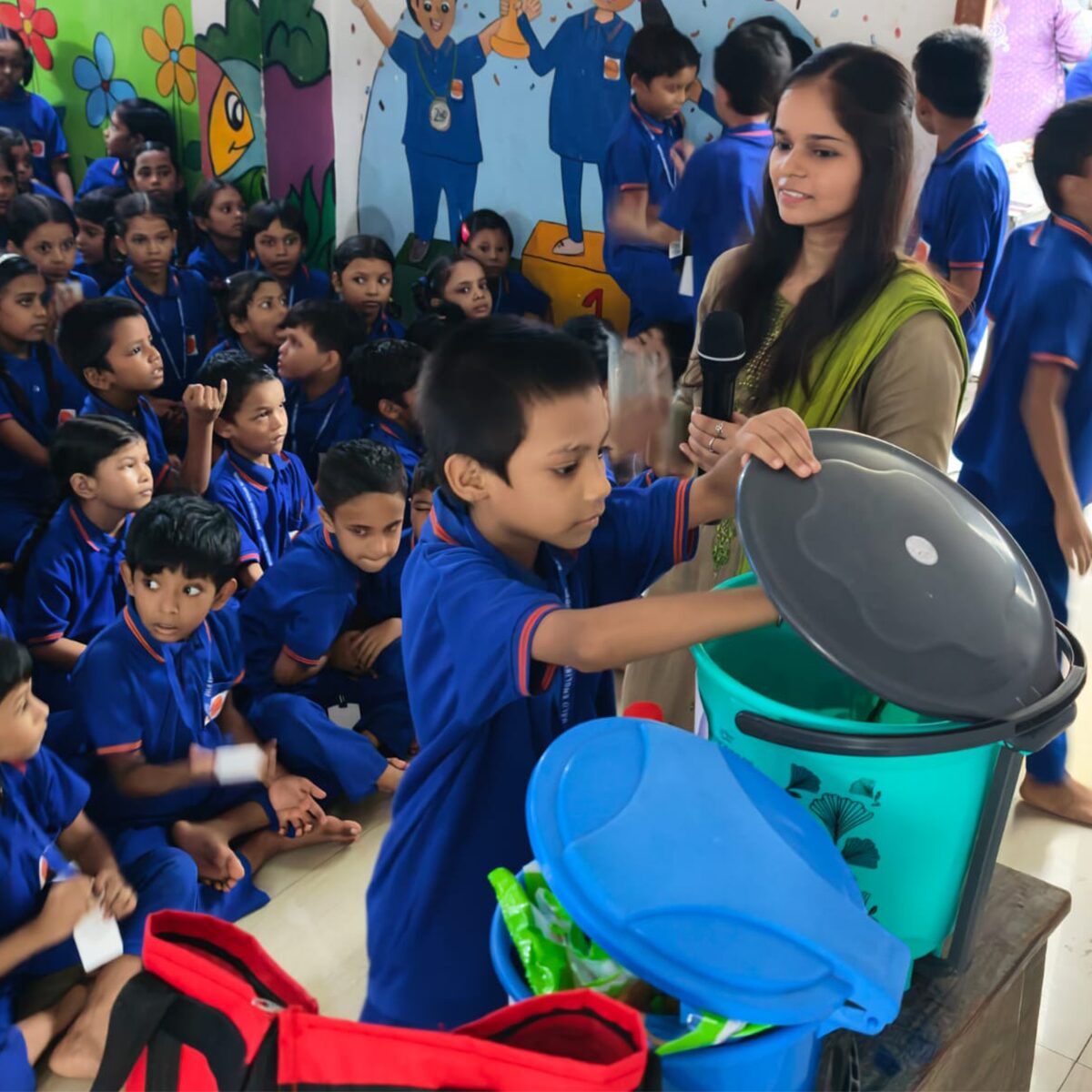
Three days of educational activities focused on waste management, recycling and sustainability as part of the “Nurturing Hope” project.
At Balò English Medium School, three days of activities were dedicated to the educational programme “Waste & Environment – Be the Change! Build a Cleaner & Greener Future, which is part of the “Nurturing Hope” project and aims to promote environmentally responsible behaviour.
Over the three days, children and young people took part in a structured programme designed to raise awareness of key issues related to waste management, waste separation, recycling, reuse and waste reduction.
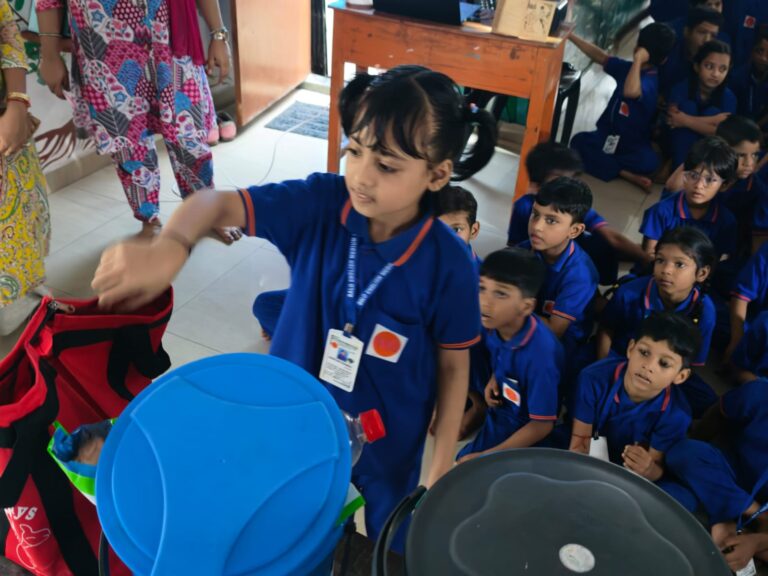
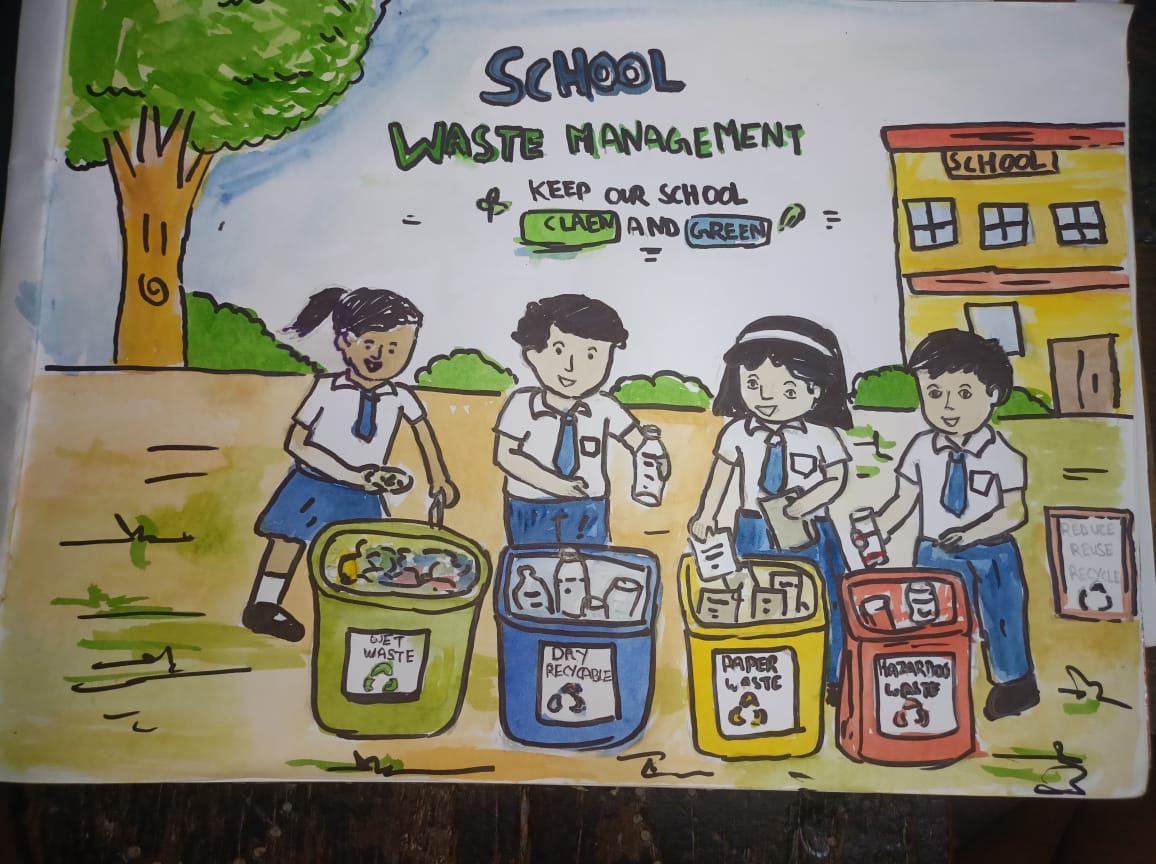
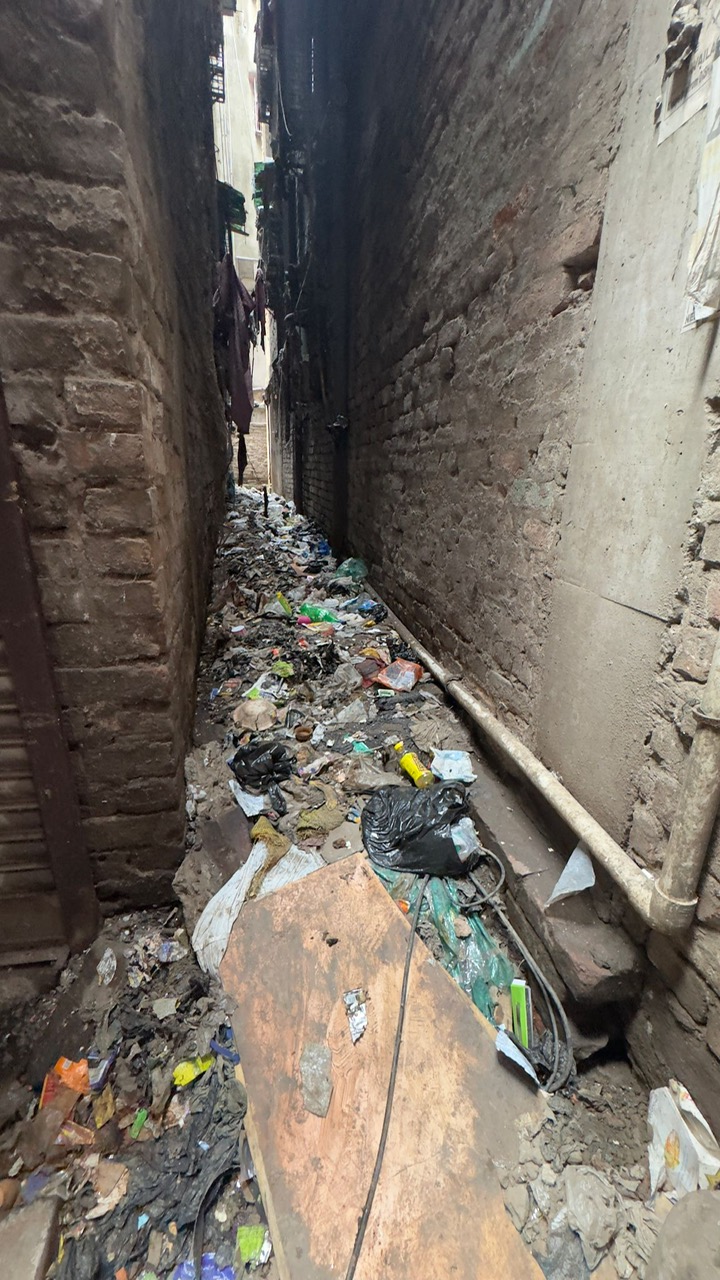
Through theoretical explanations, demonstrations, educational games and practical exercises, pupils explored the differences between biodegradable and non-biodegradable waste, the correct disposal of hazardous waste and the effects of pollution, with particular attention to the environmental impact of plastic.
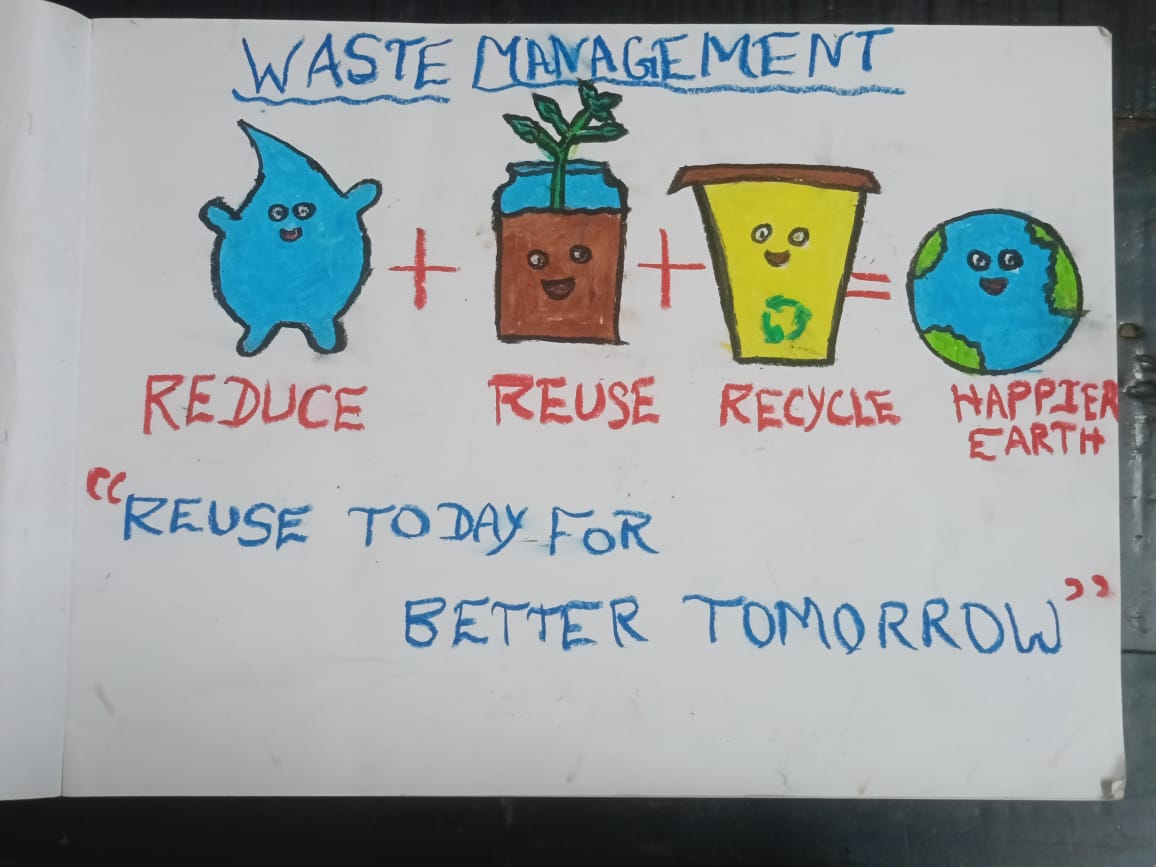
A specific part of the programme was devoted to the 5Rs – Refuse, Reduce, Reuse, Recycle and Rot – presented as guiding principles for reducing waste generation and promoting more sustainable behaviour.
The activities also addressed composting organic waste, reusing materials and upcycling, as well as simple everyday practices for saving water and energy.
The methodology adopted was based on a participatory, workshop-based approach. Activities included the Waste Sorting Race, “Which Bin?”, the Clean Classroom Challenge, waste-sorting exercises, creative activities, drawings, songs and activities dedicated to the “Green Heroes”.
The aim was to translate even complex environmental concepts into concrete, understandable actions adapted to the pupils’ different ages. At the end of the programme, children and young people were encouraged to make a personal commitment to protecting the environment by applying what they had learnt during the activities in their daily lives.
The Waste & Environment module contributes to the broader objectives of “Nurturing Hope”, which combines food assistance with an educational programme aimed at strengthening knowledge, skills and awareness in the areas of health, hygiene and nutrition. From this perspective, environmental education becomes an integral part of the pupils’ development and a valuable tool for promoting responsible and sustainable behaviour at school, at home and within the wider community.
This virtuous model, combining daily meals, education and community development, is a tangible reality that comes to life every day thanks to donors’ contributions and, in 2026, also through the financial support of the Waldensian Church’s Otto per Mille scheme.