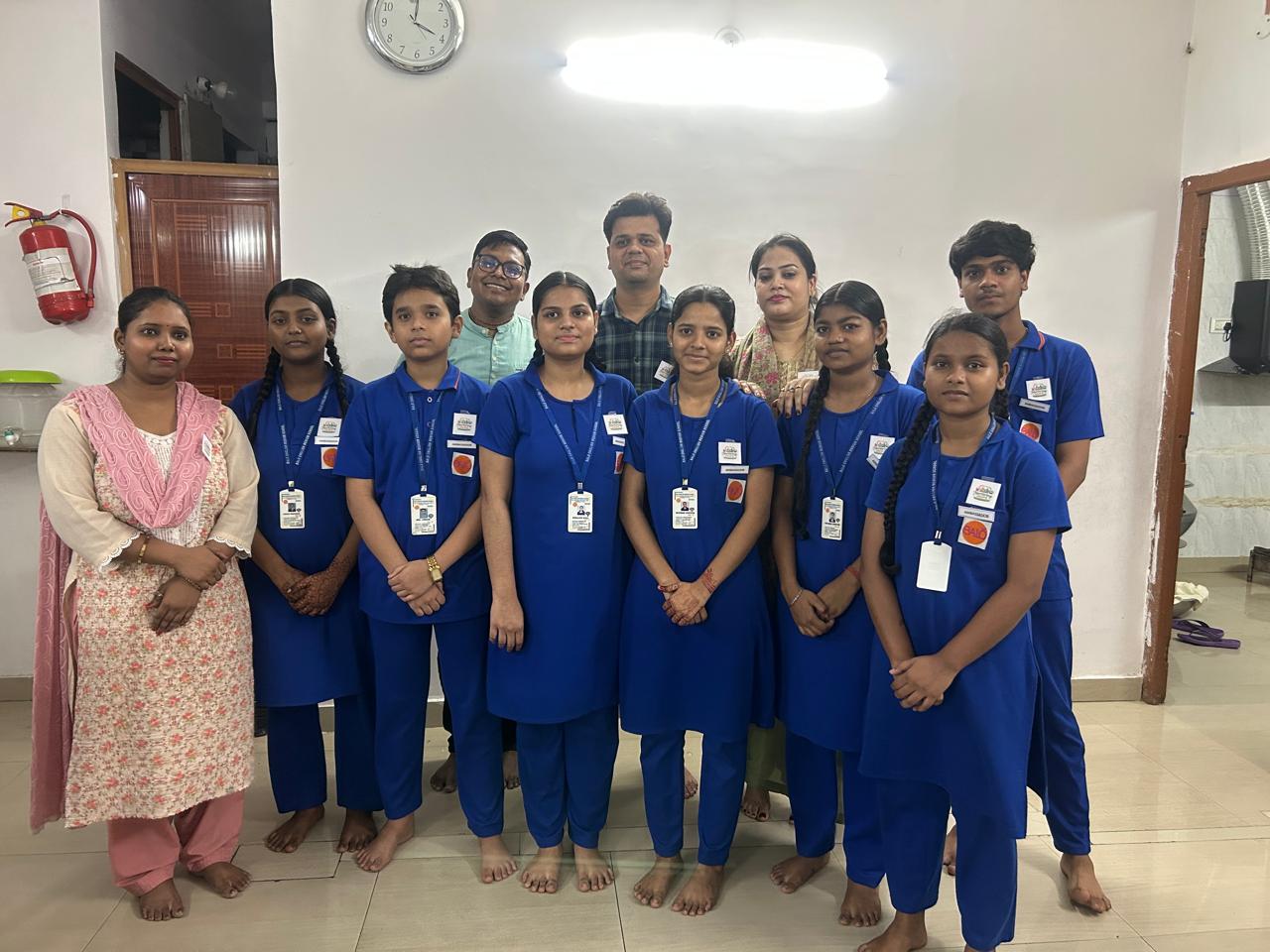
At Balo’ English School, the first phase of “Nurturing Hope” involved 450 children and young people in a daily programme focusing on health, hygiene and mindful eating.
There is a starting point for everything: everyday actions. Washing your hands, choosing what to eat, looking after yourself and recognising the importance of personal and oral hygiene. Actions that are simple only on the surface, but which, in contexts of high social vulnerability, become essential tools for prevention, well-being and growth.
It is precisely from here that the first phase of ““Nurturing Hope”” began: with practical, everyday health education capable of entering the lives of children and young people and, through them, into the lives of their families as well.
The project forms part of a broader initiative that brings together nutrition, education, health and community. At Balo’ English School, school meals often represent one of the most important opportunities to receive complete and regular nutrition. For this reason, talking about health also means promoting awareness: understanding what is good for us, realising why hygiene protects us, and recognising how small daily behaviours can have a tangible impact on the quality of life of an entire community.
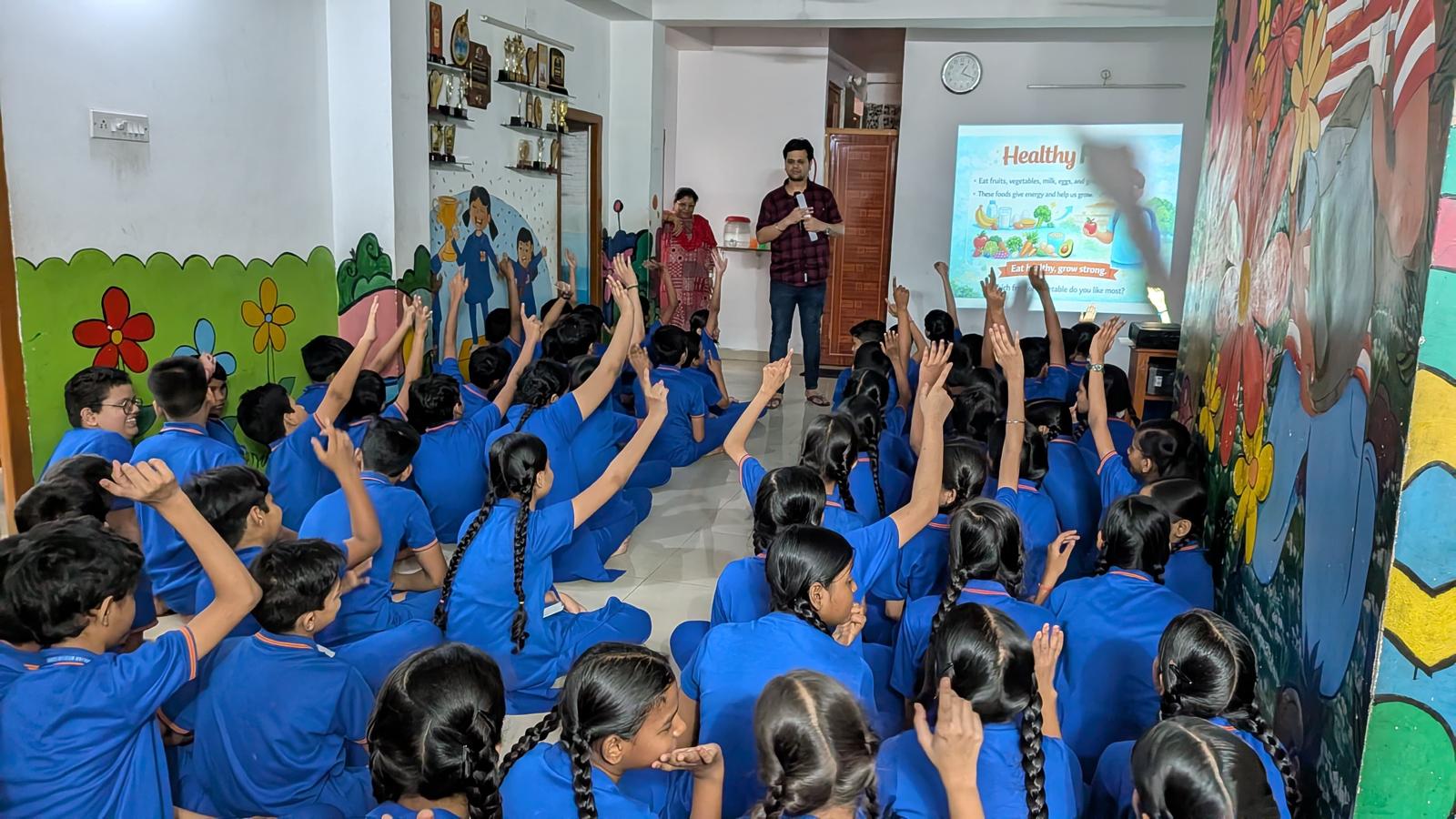
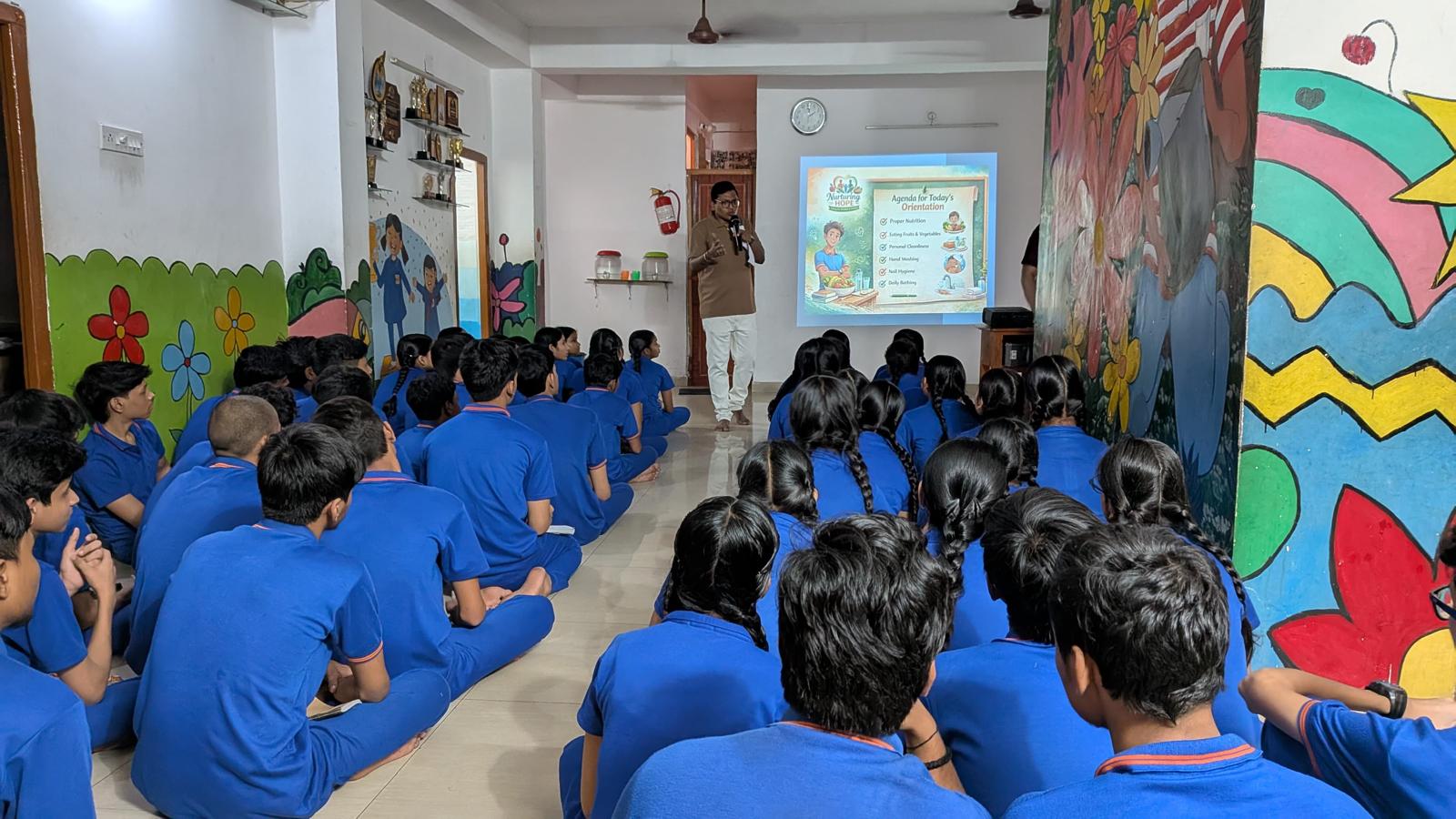
The first phase of the project involved 450 pupils, with a tailored programme based on age and school year, as each stage of development requires specific language, tools and approaches.
The activities were designed according to the pupils’ age and school year, to guide children and young people towards a greater awareness of health and self-care.
For the youngest children, the work was developed using simple, engaging language suited to discovery, so as to introduce them naturally to the topics of hygiene and nutrition. In primary school classes, the programme introduced daily habits through practical, participatory activities, transforming self-care into a concrete, shared experience. With older students, the project took on a more reflective and conscious dimension, encouraging discussion, active participation and a deeper understanding of the link between daily behaviours, health and well-being. Finally, for pupils in the upper years, the programme was enriched with an element of responsibility and mentorship, highlighting their role in passing on care and good practices to younger children too.
In this way, the first phase of “Nurturing Hope” project has established a progressive educational programme capable of engaging every age group with appropriate tools, reinforcing not only knowledge but also a sense of responsibility and belonging to the school community.
This first phase has built something solid: not just information, but awareness; not just lessons, but shared practices; not just school, but community. Because when a child learns to wash their hands properly, when a girl understands the value of a healthy meal, when an older student guides a younger one on an educational journey, change does not remain confined to the classroom. It enters homes, involves mothers, reaches families and becomes part of daily care.
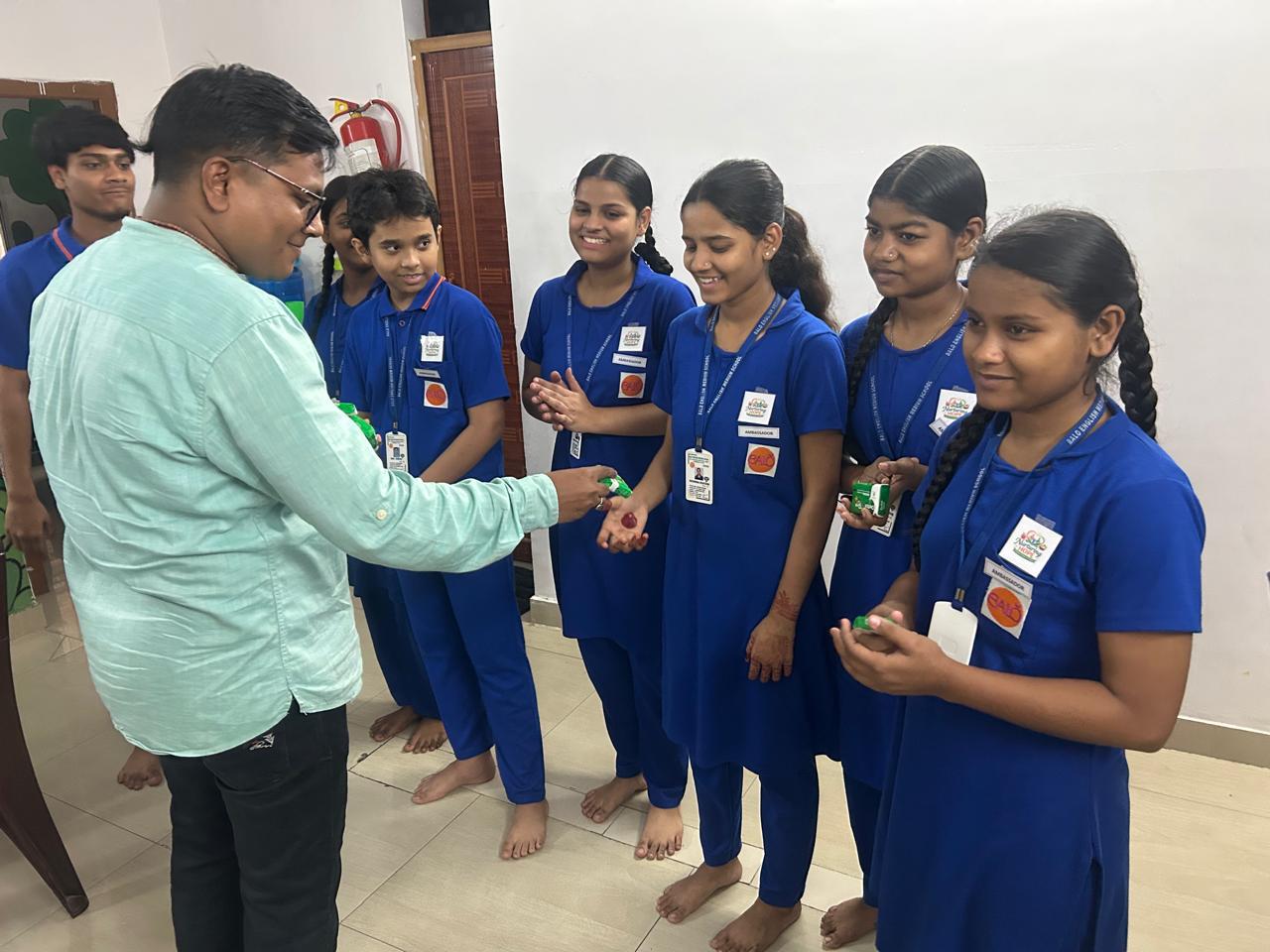
This is how “Nurturing Hope” project builds health: one step at a time, together.
This virtuous model, which combines daily care, lifelong education and community development, is a concrete reality that comes to life every day thanks to donors’ contributions and, in 2026, also thanks to the financial support of the Waldensian Church in Italy.

Project supported with funds from the Eight per thousand (otto per mille) of the Waldensian Church
DONATE